Dr. Linda Stork on the Past, Present, and Future of Pediatric Cancer Research
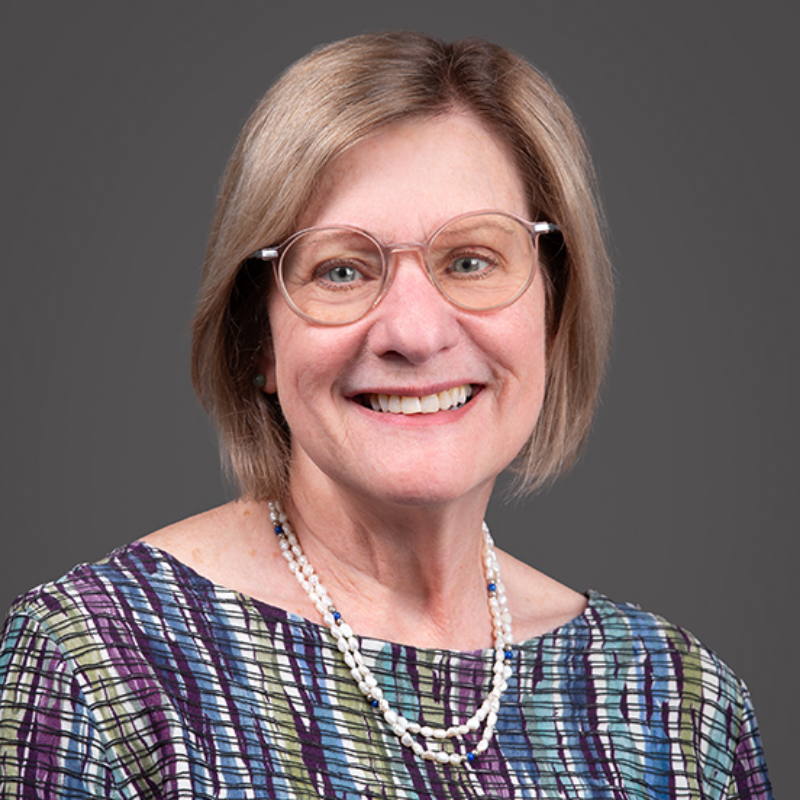
Article provided by Linda Stork, Pediatric Oncologist and Professor at Doernbecher Children’s Hospital and Oregon Health & Science University
When five families founded Candlelighters in 1977, they knew that most children diagnosed with cancer, including their own, would not survive into adulthood. But today, more than 80% of children with cancer in the US are cured. More than 500,000 adults living in the US today are survivors of childhood cancer. How did this amazing improvement come about? Through research: years of clinical trials and laboratory investigation, funded by the federal government and philanthropy. The Children’s Oncology Group, a collaboration of over 200 children’s hospitals in the US and Canada, has led the way in this research. Over the past 50 years, clinical investigators have conducted hundreds of carefully designed studies on children to improve the outcome of many types of childhood cancer.
These clinical trials test new anti-cancer drugs, or new combinations and doses of existing drugs. Each study builds on a previous one. Hundreds of thousands of children with cancer and their families have been willing partners in this research. These clinical trials ask: is the new treatment safe and better than the current best available treatment? Around the world today, more than 5000 clinical trials are studying children with cancer. Some of these children are newly diagnosed with cancer; others have recurred. The goal of this research is to give every child the chance of cure. Some of these studies also want to find ways to lessen the physical, emotional, and financial burden of childhood cancer for the patient and their families.
Some of these clinical trials are studying recent scientific advances in cancer treatments: immunotherapy and targeted therapy. Immunotherapy helps the patient’s own immune system find and destroy the cancer cell. Targeted therapy attaches directly to a cancer-causing protein or gene and destroys the cancer cell. Because of recently completed clinical trials, some of these new therapies are now part of the current best treatment for certain childhood cancers, like leukemias, lymphomas, brain tumors, neuroblastoma, and rare sarcomas.
Challenges remain. The current cure rate of 80% means that 20% of children die from cancer. Laboratory and clinical research must continue until every child with cancer, in the US and worldwide, is cured, so that every child thrives into adulthood. But beyond cure, research must teach us how to prevent childhood cancer. Imagine a future without any childhood cancer!